The CIFAS Field School in Ethnographic Research Methods
Hands-on training in the foundations of ethnographic research, informed by a creative spirit and guided by the highest ethical standards.
Learn by doing—in New York City and online.
The CIFAS Field School on Ethnographic Research Methods offers rigorous, practice-focused training that balances theory with hands-on fieldwork. Faculty work closely with each participant to identify the methods best suited to their academic or professional needs—whether in social sciences, education, health, communication, the arts, or beyond.
Our goal is to enable participants to confidently engage in ethnographic research with solid methodological training, informed by a creative spirit and guided by the highest ethical standards.
We work passionately to advance education and dialogue around ethnographic methods and applied anthropology in ways that promote intercultural understanding, justice, and peace.
Graduate and undergraduate students in social sciences and related fields, applied social scientists, professionals, and researchers interested in qualitative approaches—including in education, communication, cultural studies, health, social work, human ecology, development studies, consumer behavior, and more.
UPCOMING Schedule
Three Ways to
Participate
Online
April Session
April 7 – May 7, 2026
Ten sessions, Tuesdays and Thursdays, 8:30–11:30 a.m. EDT. Same 30-hour curriculum as the on-site program.

Closed
On-Site · NYC
July Session
July 20 – 31, 2026
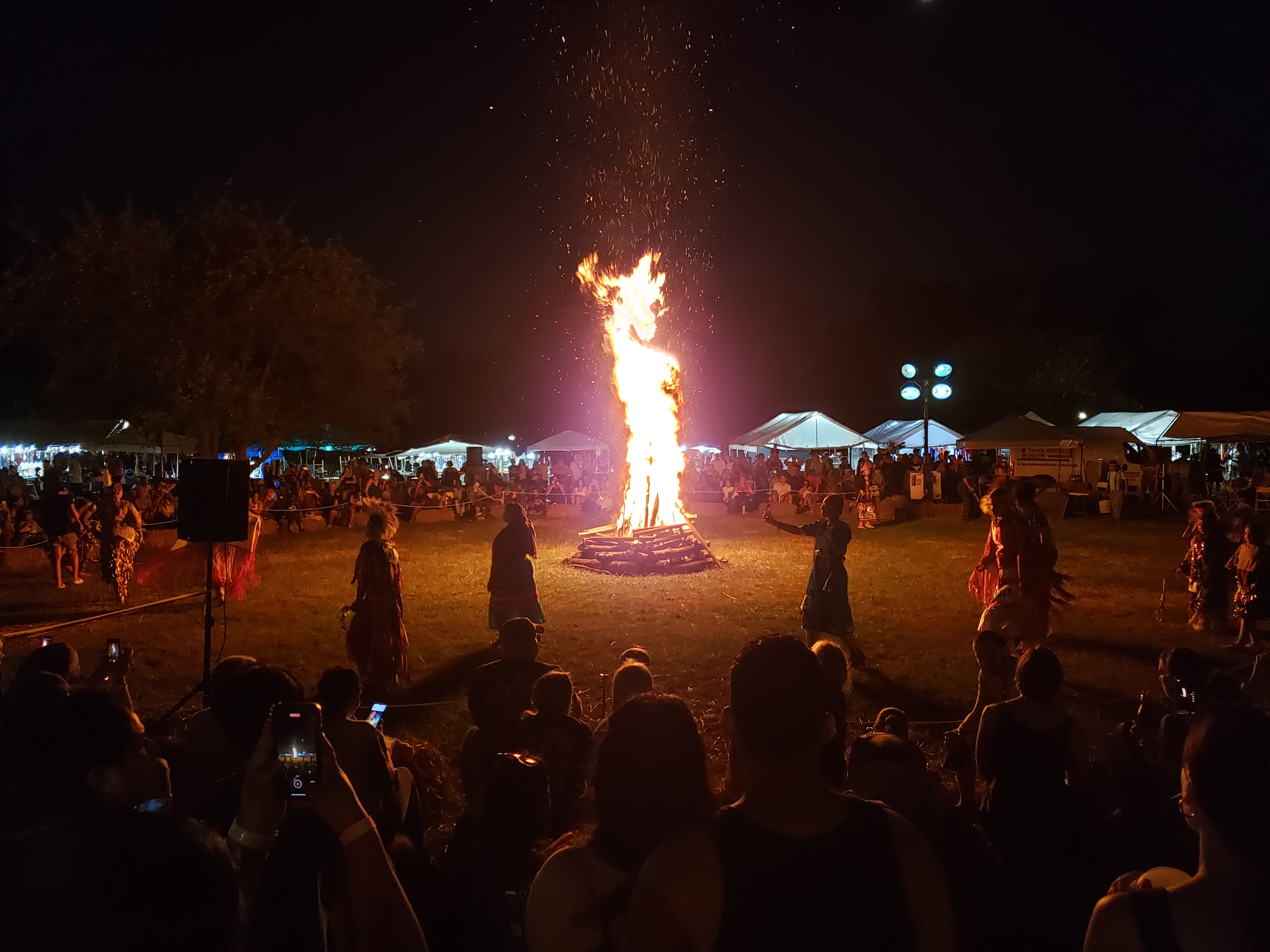
Two immersive weeks on Columbia University’s Morningside Heights campus, 9 a.m.–12 p.m. EDT. Includes a field trip to the Thunderbirds’ Grand Mid-Summer Powwow.

Closed
Online
August Session
August 18 – September 17, 2026
Ten sessions, Tuesdays and Thursdays, 8:30–11:30 a.m. EDT. Same 30-hour curriculum as the on-site program.

Accepting Applications
Participants Worldwide
Since 2003, participants from over 30 countries have joined the Field School—from every continent.
What Participants Say
The CIFAS Field School in Ethnographic Methods offered an excellent balance of theory and hands-on practice. With practical exercises in observation, note-taking, and participant observation, plus sessions on digital ethnography, visual methods, and diverse perspectives—including feminist, multi-species, and decolonial approaches—the course expanded my understanding of emerging trends while encouraging critical reflection on researcher positionality. The supportive instructors and clear guidance boosted my confidence and gave me practical tools to apply ethnographic methods in my own research. I highly recommend it to anyone seeking rigorous, practice-focused training.
The CIFAS Field School was an impactful and motivating experience that strengthened my understanding of ethnographic methods and how to apply them in real-world research. Instructors Renzo and Allison were incredibly knowledgeable, supportive, and engaging throughout the course. I especially loved the readings, videos, and course materials — they were thoughtfully chosen, interesting, and helped deepen my understanding of each topic. Overall, the course made me feel more confident and excited about doing ethnographic work in the future!
Although I was already familiar with ethnography as a research method, the carefully designed structure of the course encouraged me to enrol, leading to an enriching 10-day, 30-hour learning journey. What I appreciated most was the seamless integration of theory with practice. The field exercises allowed me to translate classroom discussions into action, while the videos provided valuable insights into how ethnographic methods evolved through the pioneering work of earlier researchers. Altogether, the course not only reinforced my understanding but also expanded my perspective on ethnography. I believe it would be both stimulating and rewarding for anyone interested in pursuing social science research or simply curious about what ethnographic inquiry entails. It reified my notion that the field is everywhere, only if one chooses to see it.
This course facilitated wonderfully engaging conversations on ethnographic methodology while pushing past the academic hierarchy between people looking to do research and those who have completed it.
This course gave me a structured introduction to ethnographic methods, and helped me understand how I might use those methods while I work on my dissertation. It was lovely to work alongside students across careers at different stages in their projects. The instructors and other students were kind, open, and all work on such interesting things—what a delight to participate in this course.
I learned so much! Both professors had such a wealth of knowledge and experience, it was very obvious that they have spent a lot of time both researching and out on the field. Great content from the assigned readings and videos, great discussion in class. The powwow was an amazing experience.
The field school was exactly what I had hoped for. It provided a relaxed and welcoming environment that made it easy to engage deeply with the material and connect with others in the group. At the same time, it was intellectually rich and stimulating, offering a well-structured and comprehensive curriculum that gave us a clear understanding of what it takes to carry out ethnographic research in practice. The daily sessions were thoughtfully designed, with a great balance between theory and hands-on experience. The materials were carefully selected, not only relevant and insightful, but also manageable in scope, allowing us to absorb and reflect on them without feeling overwhelmed. Each day felt purposeful and well-paced, gradually building our skills and confidence in the field.
This course provided an excellent foundation in ethnographic methods, combining theory with hands-on practice in a way that was both accessible and engaging. The instructors created a supportive learning environment that encouraged reflection and experimentation. I came away with practical tools and deeper confidence to apply ethnographic approaches in my own research.
Ten Sessions, Thirty Hours
The same content is delivered across all three sessions—online and on-site.
Your Instructors
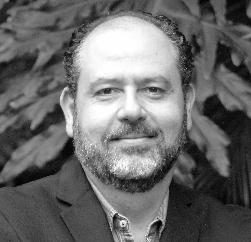
Renzo Taddei
Associate Professor at the Federal University of São Paulo. Researcher in anthropology, with extensive field experience across Latin America and beyond.

Allison Kendra
Community-oriented researcher and educator with expertise in qualitative methods and public engagement.
Reserve Your Spot
Places are limited across all three sessions. The same rigorous, practice-focused curriculum is delivered online and on-site. CIFAS is a non-profit 501(c)(3) founded by Columbia University faculty.
Renzo Taddei is the Director of the CIFAS Field School in Ethnographic Methods. Under Lambros Comitas’s supervision, he earned his Ph.D. in Anthropology from Columbia University in 2005, with a dissertation on the traditional environmental knowledge about the atmosphere and weather of peasants in rural Northeast Brazil and its tense relationship with scientific meteorology, on the one hand, and local politics, on the other. The doctoral dissertation was nominated for the Bancroft Prize at Columbia University. With Comitas, he created the CIFAS Summer School in Ethnographic Methods in 2003.
He has done fieldwork in Brazil, Uruguay, and the U.S. on topics related to the interface between scientific and traditional and Indigenous environmental knowledge. Previously, he worked in Argentina on youth violence and soccer fandom.
Dr. Taddei has been a visiting professor at Yale University, Duke University, and the University of the Republic in Uruguay. Currently, he is a tenured professor at the Federal University of Sao Paulo, Brazil, where he teaches anthropology and science and technology studies. Between 2005 and 2014, he was a research associate and later principal investigator at the Center for Research on Environmental Decisions (CRED) at Columbia University. From 2020 to 2024, he has served on one of the standing committees of the World Meteorological Organization. He is currently one of the lead authors of the upcoming report from the UN Intergovernmental Panel on Climate Change (IPCC).
Renzo was born and raised in Sao Paulo, Brazil. Before becoming an anthropologist, he received a B.Sc. degree in Industrial Engineering (1995) and a Master’s degree in Education (2000) from the University of Sao Paulo. He also had a short experience as a professional photographer between 1998 and 2000.
In 2017, he published Meteorologists and Rain Prophets: Knowledge, Practices, and Politics of the Atmosphere (Terceiro Nome publishers, in Portuguese). He co-organized two books: After the Rains Didn’t Come (2010, published by Funceme and CIFAS) and The Anthropocene: On Modes of Composing Worlds (2022, Fino Traço publishers), both in Portuguese. His work has appeared in journals such as American Anthropologist, Nature Climate Change, Weather Climate and Society, Climatic Change, Climate Services, Environmental Science and Policy, Energy Research and Social Science, Latin American Research Review, and Social Semiotics.
Allison kendra is the first Director of Program Development and Education at CIFAS and an instructor in the Comitas Field School. They received their PhD in Anthropology from Stanford University in 2021. They are a sociocultural anthropologist who critically studies the state, inequality, and the environment in the Americas. As a community-oriented educator and researcher, they are committed to engaged teaching, mentorship, scholarship, and service.
In their teaching and research, they analyze how state and international interventions are deployed, their impacts on people’s everyday lives, and their roles in shaping racialized and gendered inequalities. Their first book-length project, Wars on Drugs and Uprisings: The Maintenance of Everyday Intervention in Peru, examines how racialized and gendered inequalities are involved in the implementation and lived experience of protracted war. This research is based on twenty months of ethnographic fieldwork in Peru’s Huallaga Valley, where for decades the governments of the United States and Peru have conducted militarized and development-based interventions that combine the war on drug crop production with the war on terror. These interventions are premised on the Huallaga as a site of conflict between Shining Path insurgents, civilians, and the state in Peru’s internal war in the 1980s and ‘90s, and as a former global leader in the production of coca, the leaf crop used to make cocaine. Rather than framing these circumstances as episodic periods of violence and intervention, Allison’s research highlights the ongoing colonial legacies of race, class, and gender that are engrained in these proceedings. Working across scales, this research presents an analysis of the local, national and international politics of these interventions and their impacts on everyday life, inequality, and the environment.
Allison’s teaching and research build on approaches and methodologies in sociocultural anthropology, including multimodal forms of research and engagement, informed by their interdisciplinary background and teaching in the sciences and arts. They have had the opportunity to work across many departments and institutions, developing and teaching over 30 core and elective courses in Anthropology, Sociology, Gender and Sexuality Studies, and Race and Ethnicity Studies. They have also mentored and developed programming with many Centers for Teaching and Learning. Their 15 years of professional experience as an educator builds on a lifelong commitment to multidirectional and collective learning towards action.