The Comitas Award for Public Knowledge & Engagement
Named for Professor Lambros Comitas, this award celebrates ethnographic research that generates public knowledge and engagement and advances a robust understanding of contemporary human problems and solutions.
How to Apply
A collaboration between the Comitas Institute for Anthropological Study and the Society for Applied Anthropology (SfAA).

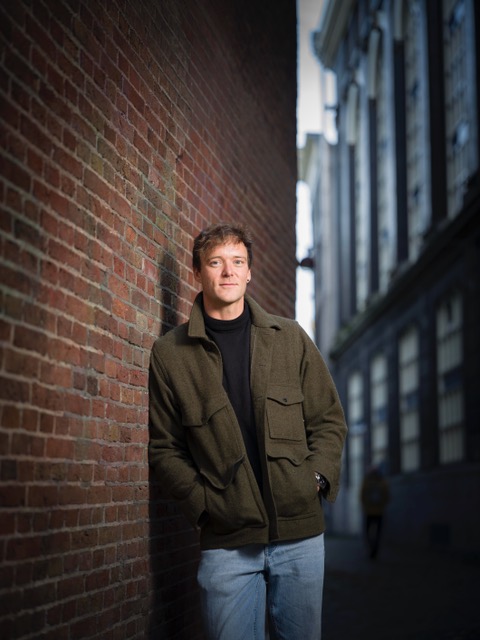
Jordan Thomas
Doctoral Candidate, University of California, Santa Barbara · Fellow, STS Program, Harvard Kennedy School
Jordan Thomas is a doctoral candidate in anthropology at UC Santa Barbara and a Fellow in the STS Program at Harvard Kennedy School. His research examines how people experience, conceptualize, and navigate climate change, as well as the social, political, and economic structures that shape its uneven impacts. He draws on literary techniques to translate social theory into character-driven narratives.
Thomas’s research documents lived experiences of climate change and situates them within the sociopolitical and environmental systems that make climate impacts disproportionately violent for some people in some places. His book reframes wildfires not as natural disasters but as political and historical products of colonialism, extractive land use, and corporate capture of public agencies. Published by Riverhead Books (Penguin Random House), it was nominated for the National Book Award—one of only a few anthropological works to reach this level of literary recognition. Through essays and interviews on CNN, MSNBC, PBS, NPR, the New York Times, Washington Post, and others, Thomas has used this platform to translate anthropology for diverse audiences.
Jordan Thomas has made a critically important contribution to debates around wildfire management and sustainable ecologies. In a writing style intended by broad audiences, he offers readers a page-turner that provides compelling insights into the training and experiences of ‘hotshots’—elite corps of wildfire fighters who endure extreme physical and mental challenges of combating ‘megafires’ that have become increasingly prevalent over the past twenty years.
Through an interlayering of historical, indigenous and archival knowledge, his work ultimately seeks to transform public perceptions of megafires: from seeing them simply as “natural disasters” to being understood as the product of political and historical choices associated with settler colonialism and a present-day ‘fire industrial complex’ that involves the corporate capture of public agencies.
The social relevance of Thomas work is made clear through the attention he gives to exploring the connections between climate change and the increasing incidence and amplitude of megafires—unprecedented conflagrations that have burned hundreds of millions of acres, destroyed tens of thousands of homes and killed hundreds of citizens at enormous costs. In terms of public engagement, Thomas explores the disconnect between widespread public perceptions of forests as ‘untouched nature’ and the historical reality that fire has been used as an indigenous tool for land management for some two millennia. On one hand he seeks to persuade activists and policymakers about the role played by the fossil fuel industry and conservative political interest in the climate denial movement; on the other he calls for these same policymakers to acknowledge indigenous voices on the traditional role of fire in sustaining their ecosystems along with the input of a new generation of forest scientists who seek to develop and implement revised policy based on such perspectives. Thomas’ commitment to public engagement is amply demonstrated through promotion of his book on various radio and television programs including NCNN, PBS and MSMBC as well as outlets internationally. He has written invited essays on the topic for the New York Times, Los Angeles Times and the New York Review of Books. The book is now part of public debate on the issue of wildfire policy.

Roberto J. González
Professor of Anthropology, San José State University · President-Elect, American Ethnological Society
Roberto J. González is a professor of anthropology at San José State University and president-elect of the American Ethnological Society. His areas of expertise include science, technology, and society; militarization and culture; and ethics in social science. He has conducted ethnographic research in Latin America and the United States and authored numerous books and articles.
González’s work focuses on how US researchers and military personnel are incorporating AI into intelligence and combat applications, exploring why AI-powered weapon and surveillance systems will lead to the temporal acceleration of war with potentially catastrophic results. His research also analyzes the symbiotic relationship between military and intelligence agencies, the tech industry, and venture capital firms. He published a public-facing report for Brown University’s Costs of War project and his book has led to approximately 30 media interviews and international invited talks.
Dr. Roberto J. González has made exceptional contributions to the anthropology of algorithmic warfare and militarized AI. His research demonstrates profound intellectual merit, theorizing the temporal acceleration of conflict and the symbiotic ties between Silicon Valley venture capital and the defense industry.
González’s work provides a rare studying up of the technical experts and military planners driving these technologies. Grounded in rigorous ethnographic fieldwork engaging tech employees, defense startups and military AI forums, he utilized a "polymorphous engagement" strategy to navigate and study secretive organizations. His commitment to social relevance is evident in his timely focus on the dangers of automated decision-making and cyber-policing. This is best exemplified in his exploration of how military planners have embraced a "move fast and break things" ethos, which risks the deployment of unreliable and dangerous battlefield technologies.
Most notably, González exemplifies public engagement through a clear, accessible writing style that reaches policymakers and activists alike. His book, War Virtually, was praised for being "hard to put down" and written in the style of the best science journalism. Furthermore, his record of over 30 international media interviews, including the New York Times, The Guardian, NPR, Al Jazeera and Nikkei, alongside a high-impact public report for the "Costs of War" project, underscores a career-long dedication to ensuring anthropological insights inform critical global debates.
2025 Award Winners
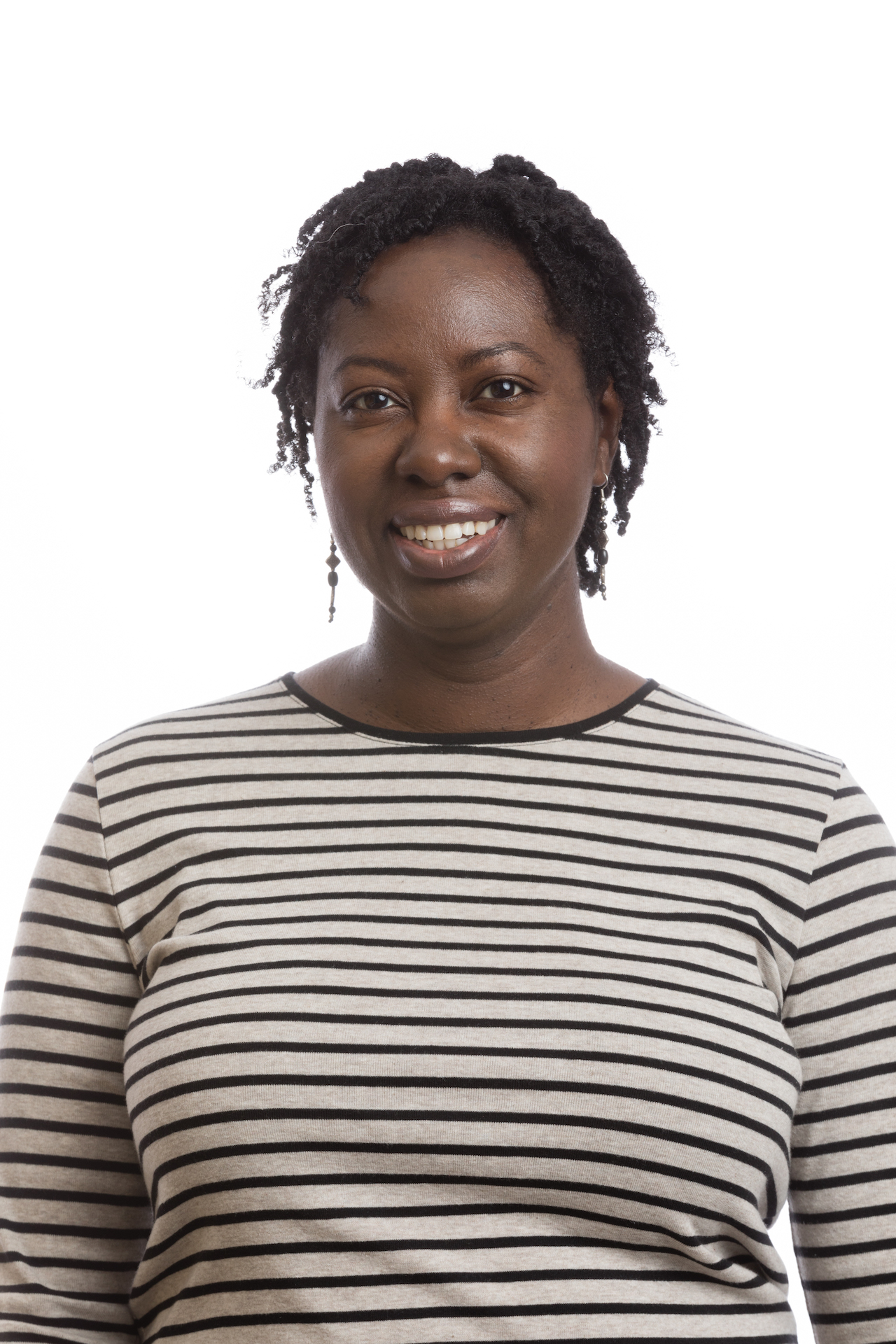
Dr. Shan-Estelle Brown
Associate Professor of Anthropology & Director, Global Health Program, Rollins College
Removing Obstacles to HIV Prevention for Black Women in Orange County, Florida
A community-engaged research project conducted by an interdisciplinary team—an anthropologist, a counseling educator, and a pharmacist—funded by the Robert Wood Johnson Foundation. Over two years, the project identified local barriers to and creative solutions for HIV prevention for Black women in Central Florida, the main population of women receiving new HIV diagnoses in the state.
Shan-Estelle Brown, PhD is Associate Professor of Anthropology and Director of the Global Health Program at Rollins College inWinter Park, Florida. Previously, she was Postdoctoral Research Associate in the AIDS Program at Yale School of Medicine. She is a mixed-methods medical anthropologist with training in qualitative research and pedagogy on writing.She is the author of Writing in Anthropology: A Brief Guide (Oxford UniversityPress). She is a current member of the American Anthropological Association Executive Board in an Undesignated Seat. She is a Fellow with Robert Wood Johnson Foundation’s Interdisciplinary Research Leaders Program. Her research interests include conducting community-engaged research, improving patient-centered outcomes with medical technologies, understanding patients’ perceptions of risk and well-being, and identifying structural facilitators and barriers to health care access and retention in care.
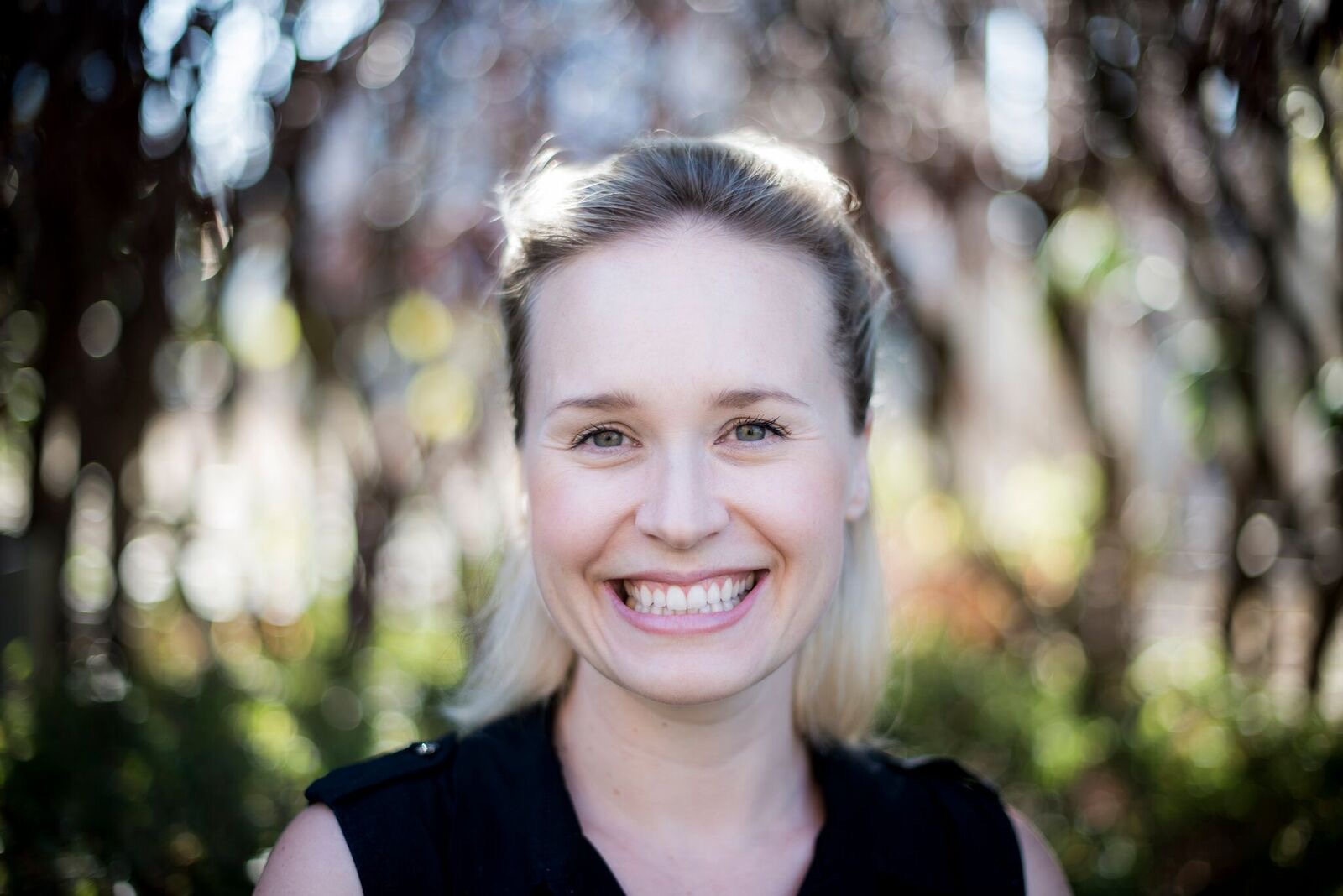
Danya Fast
Faculty, Department of Medicine, University of British Columbia
Youth Overdose Prevention & The Treatment Trajectories Study
Over 15 years of ethnographic and community-based participatory action research driving health systems change and advancing health equity for young adults who use drugs and their families. Her Treatment Trajectories Study examined the scale-up of medications for opioid use disorder for youth in Metro Vancouver, conducted in collaboration with youth co-investigators and the Youth Health Advisory Council.
Danya Fast is a faculty member in theDepartment of Medicine at the University of British Columbia (UBC), where she co-leads UBC’s Youth Overdose Prevention Research Excellence Cluster. Her research traces young people’s drug use, care, and institutional trajectories in the context of successive waves of public health emergency, including ongoing housing and overdose crises. She uses applied and community-based participatory methods to create research in partnership with young people todrive change. Danya is the author of the book The Best Place: Addiction,Intervention, and Living and Dying Young in Vancouver and producer of the award-winning Living On short film series.
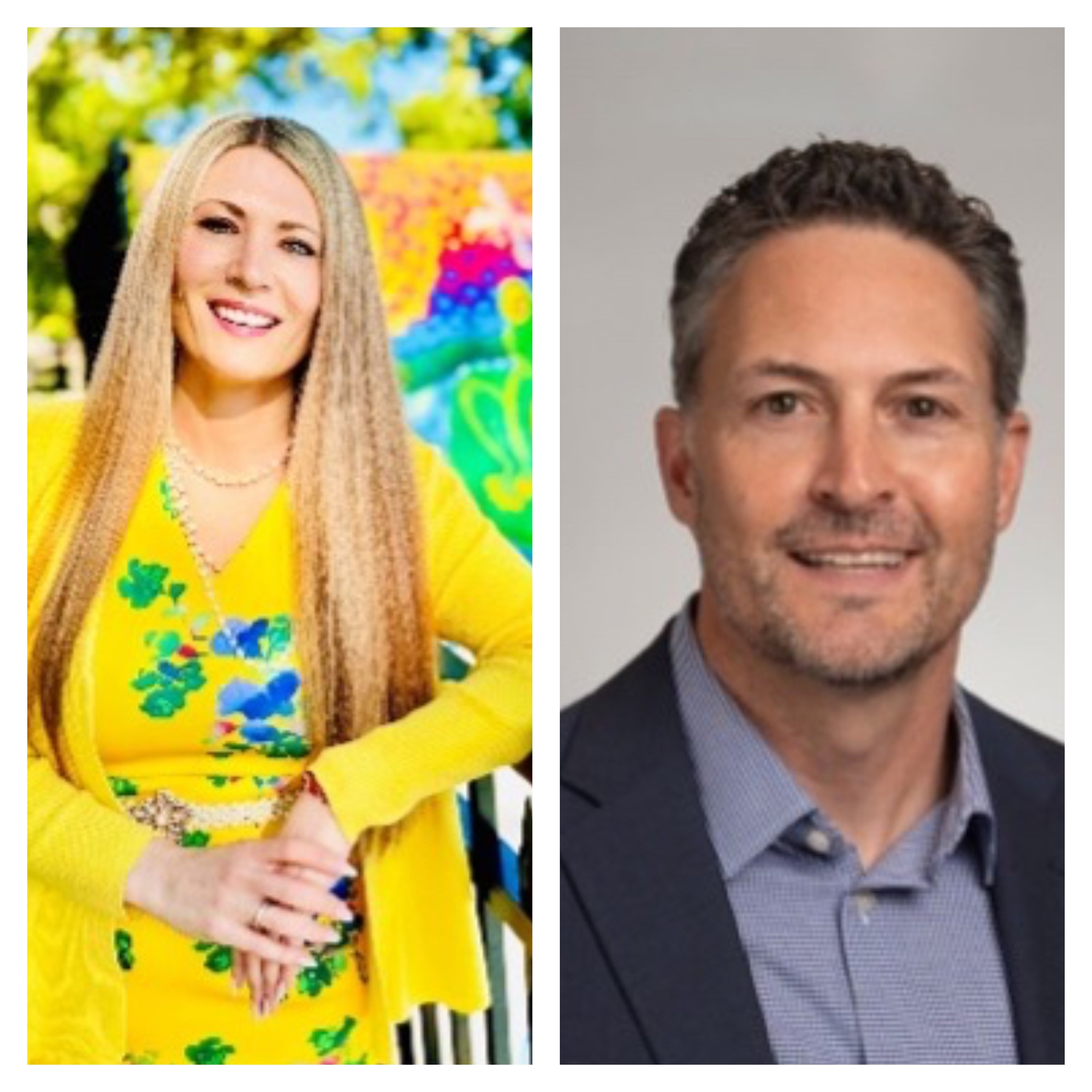
Dr. Christian Wells & Dr. Sarah Combs
University of South Florida & University Area CDC, Tampa, FL
Diversity Improves Design: Harvest Hope Park & Cultural Campus
A collaboration transforming a blighted brownfield site in the underserved University Area Community of Tampa into the Cultural Campus—a place to host nonprofits including a federally qualified health center, an economic development center, and a meeting center for teaching ethnographic and social science methods to residents. The project has secured over $17 million from the EPA and uses community-engaged ethnographic approaches to empower residents in transforming their community.
Dr. Christian Wells (BA, Oberlin College; MA,PhD, Arizona State University) is the Kosove Distinguished Graduate Teachingand Service Professor in the department of anthropology and director of theCenter for Brownfields Research & Redevelopment at the University of SouthFlorida, where he has served as the founding director of the Office ofSustainability and deputy director of the School of Global Sustainability. Heis a fellow of the American Association for the Advancement of Science, aninterdisciplinary research leader with the Robert Wood Johnson Foundation, andpast president of the Florida Brownfields Association—the state’s largestnonprofit advocacy organization dedicated to brownfields redevelopment andenvironmental justice. Dr. Wells is an applied environmental anthropologistwith a diverse portfolio of research projects aimed at improving human andenvironmental health outcomes of re/development efforts in underservedcommunities. With over $30 million in support from the U.S. Environmental ProtectionAgency, the National Science Foundation, and other organizations, he hasstudied brownfields challenges, environmental justice organizing, communityengagement, and equitable development. He is the recipient of the Wesley W.Horner Award from the American Society of Civil Engineers for his research onwater quality inequity and the Black Bear Award from the Sierra Club inrecognition of outstanding dedication to sustainability and the environment.
Dr. Sarah Combs (BS, Univ Northern Colorado;DBA, Univ South Florida) is Executive Director and CEO of the University AreaCDC, a 501(c)(3) public/private partnership whose mission is the redevelopment and sustainability of the at-risk areas surrounding the University of SouthFlorida. The University Area CDC heads a coalition of over 200 area businesses, non-profits, and government agencies that work together on a variety of children’s programs, education support, family enrichment, public safety, health services, workforce development, affordable housing, and community-wide volunteer projects in the broader University Area Community. As CEO of theUniversity Area CDC for nearly 15 years, Dr. Combs has spearheaded transformative initiatives, securing over $120 million in investments to enhance the well-being of Florida communities. Dr. Combs is known for herability to build innovative capital stacks that fund impactful developments and programs. Her collaborative leadership style and passion for advocacy drive hercommitment to uplifting children, families, and diverse communities, ensuring lasting and meaningful change. Dr. Combs was recently recognized as the TampaBay Business & Wealth ‘Women Who Win’ and Tampa Bay Business Journal’sBusinesswomen of the Year; received the BIMTECH - Dr. G.D. Sardana YoungScholar Award; and awarded the University of South Florida College of PublicHealth “Florida Outstanding Women in Public Health.”